Mercury gets the glory. Venus gets the emotional credit. But Earth? Earth is the position most people overlook and the one that quietly says the most about a friendship’s staying power.
Earth is the third planet in the Snapchat Friend Solar System. It represents your #3 best friend based on interaction frequency. You’re not the person they snap the most. You’re not the runner-up either. You’re the friend who shows up consistently without needing to prove anything. And that kind of presence is harder to maintain than most people realize.
This guide explains everything about the Earth Snapchat Planet, what it looks like, what it really means, how to reach it, and why #3 might be the healthiest position in the entire solar system.
What Does Earth Mean on Snapchat?
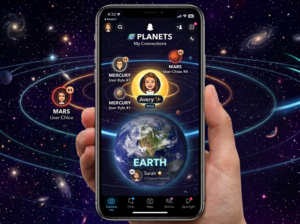
In the Snapchat Friend Solar System, your top eight friends orbit around you as planets. Mercury is #1. Venus is #2. Earth sits at the #3 position, representing the third person you interact with most on the platform.
If you tap the gold badge on a friend’s profile and see a blue-green planet with a moon beside it, that’s Earth. It means your interaction is regular, reliable, and strong enough to keep you in the inner circle of their solar system.
Here’s the quick reference:
| Detail | Earth |
|---|---|
| Position | #3 Best Friend |
| What it means | Third highest interaction on Snapchat |
| Planet color | Blue and green (like real Earth) |
| Emoji elements | Red hearts, small stars |
| Unique feature | A tiny moon orbiting the planet |
| Bitmoji placement | Standing confidently on the surface |
| Subscription required | Yes, Snapchat+ only |
The moon detail is important. Earth is the only Snapchat planet that includes a natural satellite in its design. It makes the planet instantly recognizable and separates it visually from every other position in the lineup.
What Does the Earth Planet Look Like on Snapchat?
Earth’s design mirrors our actual planet closely, which makes it the easiest Snapchat planet to identify at a glance.
Visual elements:
- Planet color: Blue oceans and green landmasses, matching the real Earth’s appearance from space
- Moon: A small grey moon orbiting nearby. This is exclusive to Earth and doesn’t appear on any other planet
- Hearts: Red hearts float around the planet, similar to Mercury but fewer in number
- Stars: Small twinkling stars scattered in the background
- Bitmoji: Your friend’s Bitmoji stands on the planet’s surface in a confident, grounded pose
- Overall feel: Calm, stable, balanced. Unlike Mercury’s intense red glow or Venus’s sparkly warmth, Earth feels settled and comfortable
The design language tells you exactly what this friendship is about. It’s not burning hot. It’s not flashy. It’s grounded. The word “harmonious” comes up often when users describe their Earth friendships, and the visual design reinforces that feeling.
Why Earth Is the Most Underrated Snapchat Planet
Everyone wants Mercury. Nobody brags about being someone’s Earth. But if you actually look at what Earth represents, it’s arguably the most sustainable friendship position in the entire system.
Here’s why.
Mercury and Venus friendships run on high-frequency interaction. Daily snaps. Constant chatting. Long streaks. That level of engagement requires real effort and time. When life gets busy, when exams hit, when vacations happen, those high-frequency connections are the first to fluctuate. Mercury holders drop to Venus. Venus holders slide to Earth. The rankings shift because the interaction volume can’t sustain itself.
Earth friendships survive all of that. The interaction level at #3 is high enough to keep you in someone’s inner circle but not so demanding that a quiet week sends you tumbling to Jupiter. You snap each other regularly. You reply to stories. You chat when something comes up. But nobody panics if a day passes without contact.
This is what makes Earth underrated. It’s the position that survives real life. Mercury might change three times in a year. Earth often stays the same person for months.
The Low-Maintenance Best Friend Position
If Mercury is the friend you talk to the most and Venus is the friend you talk to the best, then Earth is the friend where everything just flows without effort.
You don’t maintain an Earth friendship through obligation or anxiety about streak timers. You maintain it because the rhythm is natural. You snap when you feel like it. You chat when something reminds you of them. You reply to their story because it was genuinely funny, not because you’re trying to boost a ranking.
That organic quality is exactly what the algorithm picks up. Earth friends typically show:
- Regular but not obsessive snap exchanges. A few times a week rather than multiple times daily.
- Genuine story engagement. Replies that come from actual interest, not strategic ranking behavior.
- Chat conversations that happen naturally. Not forced daily check-ins but real exchanges when there’s something to talk about.
- Occasional streaks that come and go. Some Earth friendships maintain streaks. Many don’t. The friendship survives either way.
The irony is that trying too hard to climb from Earth to Venus can actually make the friendship feel forced. Sometimes #3 is exactly where a healthy connection belongs.
How Does Snapchat Decide Who Gets Earth?
The same algorithm that assigns Mercury and Venus handles Earth. Snapchat ranks your friends by total interaction score, and the friend with the third-highest score gets Earth.
The factors that matter:
Snap Frequency
You’re exchanging snaps regularly but not at the pace of Mercury or Venus. Think a few times a week rather than multiple times a day.
Chat Consistency
Earth friendships usually involve steady chatting. The conversations might not happen every single day, but when they do, there’s real substance to them.
Story Replies
Replying to stories is one of the easiest ways to maintain an Earth position. It takes seconds and registers as a direct interaction in the algorithm. Simply watching stories without responding contributes almost nothing.
Streaks
A streak helps but isn’t essential for Earth. Many Earth friendships exist without active streaks because the other interaction signals (chats, story replies, calls) are strong enough on their own.
Calls
Voice and video calls boost any position. For Earth specifically, even occasional calls can be the difference between holding #3 and sliding to Mars.
How to Reach Earth on Snapchat
If you’re sitting at Mars (#4) or lower and want to move into the inner three, here’s what works:
Snap them 2 to 3 times per week at minimum. You don’t need daily snaps to hold Earth, but you need regular ones. A week without any snaps can cost you the position.
Reply to their stories consistently. This is the easiest, lowest-effort action that builds ranking. Make it a habit. Every reply counts.
Have at least one real chat conversation per week. Not a “hey.” Not a streak snap. An actual exchange where you talk about something. The algorithm recognizes chat depth.
Don’t disappear for long stretches. Earth is forgiving of a quiet day or two. It’s not forgiving of a quiet week. If you go silent for 5+ days, someone below you will likely take your spot.
Add a call once in a while. Even a quick 2-minute voice call every couple of weeks gives you an edge that most friends competing for the same position aren’t providing.
Earth vs. Venus: What Separates #2 from #3?
The gap between Venus and Earth is more noticeable than the gap between Mercury and Venus.
| Factor | Venus (#2) | Earth (#3) |
|---|---|---|
| Snap frequency | Almost daily | Several times a week |
| Chat style | Frequent and deep | Regular and natural |
| Streak status | Usually active | Sometimes active, sometimes not |
| Visual design | Beige planet, multicolor hearts | Blue-green planet, moon, red hearts |
| Friendship energy | Close and emotionally invested | Comfortable and effortless |
| Effort required | Needs consistent daily engagement | Survives on steady, organic interaction |
The core difference is rhythm. Venus requires near-daily contact to maintain. Earth survives on a more relaxed pace. If you’re at Earth and want Venus, you’ll need to increase your daily interaction noticeably. If you’re at Venus and slow down even slightly, Earth is where you’ll land.
Earth vs. Mars: Where the Inner Circle Ends
The boundary between Earth and Mars is significant. Earth is the last planet in what most users consider the “inner circle” of the solar system. Mars begins the middle tier.
| Factor | Earth (#3) | Mars (#4) |
|---|---|---|
| Snap frequency | Several times a week | A couple of times a week |
| Chat depth | Real conversations | Shorter, more casual exchanges |
| Hearts in design | Red hearts present | Blue and purple hearts |
| Moon in design | Yes (unique to Earth) | No |
| Friendship feel | Consistent companion | Playful, lighter connection |
Dropping from Earth to Mars doesn’t mean a friendship is failing. But it does signal that interaction has decreased enough for the algorithm to notice. The shift from red hearts to blue/purple hearts in the visual design reflects a cooling of engagement intensity.
Why Earth Friendships Tend to Last the Longest
Here’s something you won’t read in other Snapchat guides.
If you tracked planet positions across an entire year, Earth would likely show the most stability. Mercury and Venus change holders frequently because they demand such high interaction that any disruption causes a reshuffle. Mars and below fluctuate because the interaction levels are low enough that small changes create big rank swings.
Earth sits in a sweet spot. The interaction is strong enough to resist minor fluctuations but not so intense that a busy week causes a dramatic drop. Friends who hold each other’s Earth position for months are usually people with a genuinely balanced, healthy connection that doesn’t depend on constant digital maintenance.
That stability is worth appreciating. In a system designed to make you anxious about rankings, Earth is the position that says, “This friendship doesn’t need to prove itself.”
Common Myths About Earth on Snapchat
Myth: Earth means you’re not really close. False. Earth is the #3 position out of someone’s entire friend list. Being in the top three out of hundreds is definitely close.
Myth: You need a Snapstreak to hold Earth. Not true. Many Earth friendships thrive without streaks. Regular chatting and story engagement can maintain the position on their own.
Myth: Earth is just a stepping stone to Venus. It can be. But it’s also a perfectly healthy position to hold long-term. Not every friendship needs to be in the #1 or #2 spot.
Myth: The moon on Earth’s design means something special. The moon is a visual design element that makes Earth recognizable. It doesn’t carry any hidden meaning beyond identifying the planet as Earth.
Myth: Earth never changes. It does. Rankings recalculate every 24 to 72 hours. Earth is more stable than Mercury or Venus, but it still shifts if interaction patterns change significantly.
Frequently Asked Questions
What does Earth mean on Snapchat Planets?
Earth represents your #3 best friend in the Snapchat Friend Solar System. It’s assigned to the friend you interact with third most frequently through snaps, chats, story replies, and calls.
What color is Earth on Snapchat?
Earth appears as a blue and green planet that mirrors real Earth’s appearance. It includes a small grey moon, red hearts, and twinkling stars around it.
Is Earth a good position on Snapchat?
Yes. Earth is in the top three of someone’s entire friend list. It represents a strong, consistent friendship with regular interaction. Many users consider it the most balanced and sustainable position.
What’s the difference between Earth and Venus on Snapchat?
Venus (#2) requires near-daily interaction to maintain. Earth (#3) survives on a steadier, more relaxed rhythm. Venus shows multicolor hearts on a beige planet. Earth shows red hearts on a blue-green planet with a moon.
Why does Earth have a moon on Snapchat?
The moon is a visual design choice that makes Earth instantly recognizable. It’s the only planet in the Snapchat solar system that includes a natural satellite in its design.
Can I move from Earth to Venus?
Yes. Increase your daily snaps, chat more frequently, reply to stories consistently, and add occasional voice calls. If your interaction surpasses the current Venus holder, the algorithm will adjust your rank within a few days.
Does Earth change on Snapchat?
Yes. Planet rankings recalculate every 24 to 72 hours. Earth is generally more stable than Mercury or Venus, but it can still shift if your activity drops or another friend’s interaction increases.
Is Earth better than Mars on Snapchat?
In terms of ranking, yes. Earth (#3) represents higher interaction than Mars (#4). Earth is considered part of the “inner circle” of the solar system, while Mars begins the middle tier.