
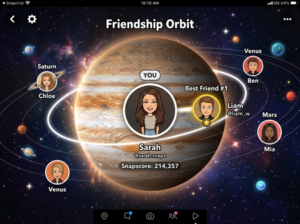
You tapped the badge. You expected something close. Maybe Earth. Maybe Mars. Instead, you’re staring at a big orange planet with no hearts around it. Just stars. That’s Jupiter. And for a lot of people, it’s the first Snapchat planet that stings a little.
Jupiter is the fifth planet in the Snapchat Friend Solar System. It represents your #5 best friend based on interaction frequency. You’re exactly at the halfway point of someone’s top eight. Not in the inner circle. Not drifting toward the outer edge. Right in the middle.
But here’s what most guides won’t tell you: Jupiter is where the most honest friendships live. This guide covers everything about the Jupiter Snapchat Planet, what it looks like, what it really means, and why #5 deserves more credit than it gets.
Being fifth among a user’s Snapchat Planets means you are still securely in their top friends list.
What Does Jupiter Mean on Snapchat?
In the Snapchat Friend Solar System, your top eight friends orbit you as planets. Mercury through Mars make up the first four positions. Jupiter sits at #5, marking the exact center of the eight-planet lineup.
If you tap the gold badge on a friend’s profile and see a large orange planet with dark stripes, you’re their Jupiter. It means you interact with them regularly enough to stay in their top eight, but not frequently enough to crack the top four.
Quick reference:
| Detail | Jupiter |
|---|---|
| Position | #5 Best Friend |
| What it means | Fifth highest interaction on Snapchat |
| Planet color | Orange-brown with dark stripes |
| Emoji elements | Stars only |
| Hearts | None |
| Bitmoji placement | Small, positioned near the edge |
| Subscription required | Yes, Snapchat+ only |
The most important thing on that table? No hearts. Jupiter is the first planet in the Snapchat solar system that drops hearts entirely from its design. Mercury has red hearts. Venus has multicolor hearts. Earth has red hearts. Mars has blue and purple hearts. Jupiter has zero. That visual shift communicates something specific: you’ve moved from “close friend” territory into “familiar friend” territory.
What Does the Jupiter Planet Look Like on Snapchat?
Jupiter’s design borrows heavily from the real planet’s appearance, and it’s one of the larger planets shown in the system.
Visual elements:
- Planet color: A warm orange-brown base with darker horizontal stripes running across the surface, similar to the real Jupiter’s banded atmosphere
- Hearts: None. This is the first planet without any hearts in its design
- Stars: Small twinkling stars in the background. Fewer than the inner planets and more spread out
- Bitmoji: Your friend’s Bitmoji appears smaller than on the inner planets, often positioned near the edge of the planet rather than on top of it
- Overall feel: Quiet, familiar, understated. The energy is warm but clearly dialed back from the inner four
The size of Jupiter in the design is notable. It’s visually larger than Mercury, Venus, Earth, or Mars. But the absence of hearts and the smaller Bitmoji create a paradox: the planet is big, but the connection it represents is less intense. Snapchat uses that contrast intentionally. Jupiter takes up space in your solar system, but the emotional signal is muted compared to everything closer to the Sun.
The Halfway Point: What It Actually Means
Jupiter sits at position #5 out of 8. That’s the exact middle of the lineup. And that middle position carries a specific meaning that most guides gloss over. The gap between the fifth spot and the number one position, Mercury on Snapchat planets, can represent hundreds of snaps.
Above Jupiter (Mercury through Mars): These are the friends you interact with frequently. Daily snaps. Regular chats. Active or recent streaks. The inner four require consistent engagement to maintain.
Below Jupiter (Saturn through Neptune): These are friends where interaction has slowed significantly. Weekly contact at best. Fading streaks. Occasional messages.
Jupiter itself: You’re the bridge. You talk to this person often enough that the algorithm keeps you in their top half, but not so frequently that you’d notice a difference if a day or two passed without contact.
This middle position is actually very common for friendships that are real but not digitally intense. Think about the friend you see at school or work regularly and genuinely enjoy spending time with, but whose Snapchat conversations happen a few times a week rather than every day. That’s Jupiter. The friendship exists strongly in real life but doesn’t translate into high-volume app activity.
Why No Hearts on Jupiter Matters
The disappearance of hearts at Jupiter is the single most important visual boundary in the entire Snapchat solar system. Here’s a look at how the heart system works across all eight planets:
| Planet | Position | Hearts |
|---|---|---|
| Mercury | #1 | Red hearts |
| Venus | #2 | Pink, blue, yellow, and purple hearts |
| Earth | #3 | Red hearts |
| Mars | #4 | Blue and purple hearts |
| Jupiter | #5 | None |
| Saturn | #6 | None |
| Uranus | #7 | None |
| Neptune | #8 | None |
Mars is the last planet with hearts. Jupiter is the first without them. That transition carries weight. Moving up the ranks requires you to surpass the user currently sitting at Venus on Snapchat planets.
Hearts in Snapchat’s visual language represent active emotional engagement. When they disappear, the design is telling you that the interaction has shifted from emotionally invested to comfortably familiar. You’re still in someone’s solar system. You’re still in their top eight. But the nature of the connection has changed in the algorithm’s eyes.
For many users, seeing a planet without hearts for the first time feels jarring. But it doesn’t mean the friendship is weak. It means the digital footprint of the friendship is lighter. And that’s a different thing entirely.
What Jupiter Friendships Actually Look Like
- Snaps happen a few times a week, not daily. You’ll exchange photos or videos when something comes up, but there’s no pressure to snap every morning.
- Chats are occasional and topic-driven. You don’t have a running daily conversation. You chat when there’s a reason to, like reacting to something they posted or asking a quick question.
- Story replies are selective. You don’t reply to every story. You reply when something genuinely catches your attention.
- Streaks are uncommon. Most Jupiter friendships don’t maintain active streaks. If a streak existed in the past, it’s likely already ended.
- Calls are rare. Voice and video calls happen occasionally but aren’t a regular part of the interaction.
This pattern describes a lot of real friendships. You know each other well. You enjoy each other’s company. But your day-to-day Snapchat routine doesn’t revolve around each other. And that’s perfectly fine.
How Does Snapchat Decide Who Gets Jupiter?
Same algorithm, same factors. Snapchat calculates an interaction score for every friend, and the fifth highest score gets Jupiter.
Snap Frequency
Lower than Mars but still present. A few snaps per week keeps you in Jupiter territory. Drop below that and you’ll start sliding toward Saturn.
Chat Activity
Occasional conversations. Jupiter chats tend to be shorter and less frequent than Mars, but they still register in the algorithm. Even brief exchanges keep your interaction signal alive.
Story Engagement
This is often the primary lifeline for Jupiter friendships. Replying to stories is low-effort and happens naturally. For many Jupiter positions, story replies make up a larger share of total interaction than snaps or chats.
Streaks
Most Jupiter friendships don’t have active streaks. If you do maintain one, it gives you a significant edge over other friends competing for the same position.
Calls
Rare but impactful. A single call in two weeks can be the factor that keeps you at Jupiter instead of dropping to Saturn.
To reach the third ring and become Earth on Snapchat planets, you need steady, two-way communication.
How to Reach Jupiter (or Move Past It)
If You’re Below Jupiter and Want to Reach It
Snap them at least once or twice a week. Even low-frequency snapping establishes a baseline that the algorithm can work with.
Reply to their stories. This is the easiest way to build interaction without changing your natural behavior. Every reply counts.
Send a message when something comes up. Don’t force conversations, but don’t hold back either. A quick “did you see this?” message once a week adds steady engagement.
If You’re at Jupiter and Want to Move Higher
Increase snap frequency to every other day or daily. The jump from Jupiter to Mars requires a noticeable increase in snap volume.
Start real conversations. Mars friendships have more chat depth than Jupiter. Move from topic-driven messages to actual back-and-forth exchanges.
Add voice calls. Even one short call per week puts you ahead of most Jupiter-level friends.
Maintain a streak. Starting and keeping a streak is one of the fastest ways to climb from Jupiter to Mars because it forces daily interaction that compounds over time.
Jupiter vs. Mars: The Heart Boundary
This is the most significant single-position gap in the entire solar system.
| Factor | Mars (#4) | Jupiter (#5) |
|---|---|---|
| Snap frequency | A couple of times a week | A few times a week or less |
| Chat style | Short, regular exchanges | Occasional, topic-driven |
| Hearts | Blue and purple hearts | No hearts |
| Visual energy | Playful and active | Quiet and familiar |
| Streak status | Often active | Rarely active |
| Friendship feels | Fun close friend | Comfortable acquaintance |
The heart boundary makes this drop feel bigger than it is. In reality, the interaction difference between Mars and Jupiter can be small. A few extra snaps per week, one more chat conversation, or a single streak can be the difference. But visually, the change from “hearts” to “no hearts” makes it feel dramatic.
Jupiter vs. Saturn: Holding the Middle Ground
Below Jupiter, the slide continues, but the gap between #5 and #6 is smaller than the Mars-Jupiter gap.
| Factor | Jupiter (#5) | Saturn (#6) |
|---|---|---|
| Snap frequency | A few times a week | Once a week or less |
| Chat frequency | Occasional messages | Rare messages |
| Visual design | Orange planet, dark stripes | Yellow-golden planet with rings |
| Stars | Present | Present but dimmer |
| Friendship feels | Comfortable familiarity | Cooling, fading connection |
The difference between Jupiter and Saturn is less about a dramatic shift and more about a slow fade. Jupiter friends still interact regularly enough that the friendship feels current. Saturn friends are starting to drift. If you’re at Jupiter and want to avoid falling to Saturn, simply maintain your current interaction level. Consistency at Jupiter is easier than climbing from Jupiter to Mars.
The Honest Reality of Being Someone’s #5
Jupiter isn’t glamorous. Nobody screenshots their Jupiter ranking and posts it on Instagram. But here’s the thing most people miss: being in someone’s top five out of their entire Snapchat friend list is objectively strong.
Consider the math. The average Snapchat user has somewhere between 100 and 400 friends on the app. Jupiter means you rank #5 out of all those people. You’re in the top 1 to 5 percent of their connections. The planet might not have hearts, but the numbers tell a different story.
Jupiter friendships also tend to be remarkably stable. The inner planets shuffle constantly because they depend on high-frequency interaction that fluctuates with daily life. Jupiter requires much less effort to maintain. A few snaps and story replies per week keep you anchored. That stability means Jupiter friends often stay Jupiter friends for months, outlasting many Mercury and Venus holders who rotate in and out.
If you’re someone’s Jupiter, you’re the friend who’s always around without being overwhelming. There’s real value in that. The easiest immediate goal is to increase your snaps to overtake the person who is currently Mars on Snapchat planets.
Common Myths About Jupiter on Snapchat
Myth: Jupiter means they barely know you. False. Jupiter is #5 out of someone’s entire friend list. You’re firmly in their top circle.
Myth: No hearts means no friendship. Incorrect. Hearts are a visual design choice, not a measurement of friendship quality. The absence of hearts simply indicates lower interaction frequency on the app.
Myth: You can’t move up from Jupiter. You absolutely can. Increasing your snap frequency, chatting more often, starting a streak, and adding calls can push you to Mars or higher within a couple of weeks.
Myth: Jupiter is the same as Saturn. Not at all. Jupiter has noticeably higher interaction than Saturn. The visual designs are different, and the friendship dynamics at each position are distinct.
Myth: Being Jupiter is embarrassing. Only if you think being in someone’s top five is something to be embarrassed about. Spoiler: it’s not.
Frequently Asked Questions
What does Jupiter mean on Snapchat Planets?
Jupiter represents your #5 best friend in the Snapchat Friend Solar System. It means you interact with that person regularly but less frequently than their top four closest friends.
What color is Jupiter on Snapchat?
Jupiter appears as an orange-brown planet with dark horizontal stripes, resembling the real Jupiter. It has stars around it but no hearts.
Does Jupiter have hearts on Snapchat?
No. Jupiter is the first planet in the solar system that has no hearts in its design. Hearts appear on Mercury through Mars but disappear starting at Jupiter.
Is Jupiter bad on Snapchat?
No. Jupiter is in the #5 position out of someone’s entire friends list, putting you in the top half of their closest connections. It represents a solid, familiar friendship.
What’s the difference between Jupiter and Mars on Snapchat?
Mars (#4) includes blue and purple hearts and represents a more active, playful connection. Jupiter (#5) has no hearts and represents a familiar but less frequent friendship. The heart boundary between these two positions is the most significant visual shift in the system.
Can I move from Jupiter to Mars?
Yes. Increase daily snaps, start genuine conversations, begin a Snapstreak, reply to stories more often, and add occasional voice calls. Consistent increases in interaction over 1 to 2 weeks can push you from Jupiter to Mars.
How do I stay at Jupiter and not drop lower?
Maintain your current interaction level. Snap them a few times a week, reply to stories when they post, and send an occasional message. Consistency is what keeps Jupiter stable.
Does Jupiter change on Snapchat?
Yes. Rankings recalculate every 24 to 72 hours. Jupiter can move to Mars (up) or Saturn (down) depending on shifts in your interaction patterns.